Raw vs. Cooked Radishes: Taming the Peppery Bite for New Flavors
As spring breathes new life into our gardens and markets, a vibrant, often underestimated root vegetable takes center stage: the radish. With its crisp texture and distinctive peppery kick, the radish offers a burst of freshness that can elevate countless dishes. But beyond simply slicing them into salads, many home cooks ponder
what to do with radishes to truly unlock their potential. The exciting truth is that radishes are incredibly versatile, offering distinctly different culinary experiences depending on whether you enjoy them raw or embrace the transformative magic of heat.
This article delves into the fascinating contrast between raw and cooked radishes, exploring how their flavor profile and texture evolve, and providing a comprehensive guide to integrating this colorful cruciferous vegetable into your kitchen year-round. Get ready to discover new ways to appreciate the humble radish, from its fiery raw zest to its mellow, earthy cooked character.
The Radish Unveiled: A Spectrum of Flavor and Form
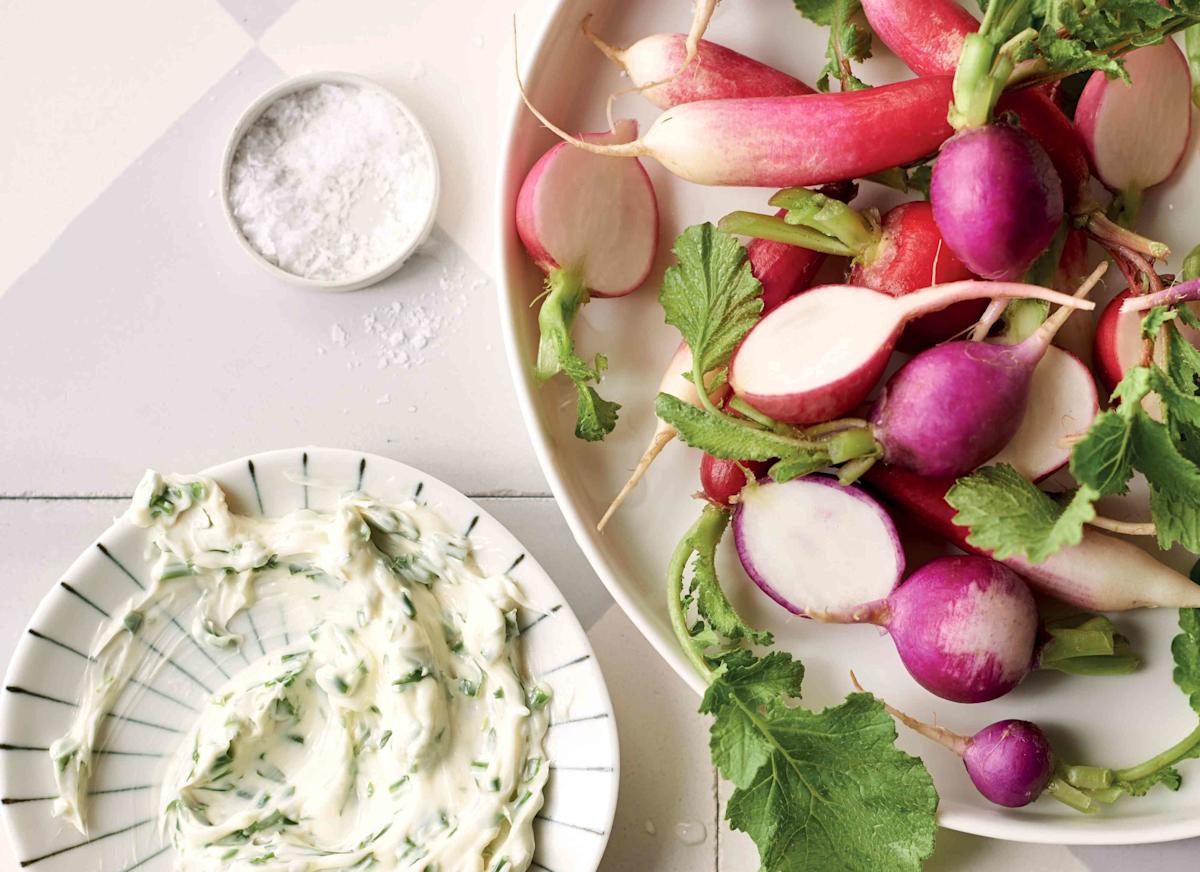
Radishes are much more than just the common small red spheres found in grocery stores. This diverse cruciferous family boasts over a hundred varieties, each with unique characteristics. You might encounter the elegant, elongated French Breakfast radishes, the striking purple variety, the crisp white Icicle, or the stunning watermelon radish, revealing a pink interior when sliced. Their shapes and colors are a feast for the eyes, promising a culinary adventure before you even take a bite.
Beyond their aesthetic appeal, radishes are nutritional powerhouses. Generally, they are packed with dietary fiber, essential antioxidants, and a rich array of micronutrients. These include immunity-boosting Vitamin C, bone-supporting Vitamin K, and vital minerals like potassium and calcium, alongside folate. Their natural crispness and refreshing flavor make them an excellent addition to any diet, contributing not just taste and texture but also significant health benefits. For a deeper dive into their health advantages and why you should make them a regular on your plate, explore our article:
Crunchy, Peppery & Nutritious: Why You Should Eat More Radishes. Even their often-discarded greens are edible and surprisingly nutritious, suitable for sautéing or adding to pesto.
When fresh and raw, radishes are typically defined by their characteristic crispness, a vibrant, sometimes pungent peppery flavor, and a subtle earthiness. However, this heat level can vary dramatically between varieties, ranging from sweet and mild to intensely spicy. This inherent "bite" is often what first comes to mind when considering
what to do with radishes.
Raw Radishes: Embracing the Zest and Crunch
The simplest and perhaps most common way to enjoy radishes is in their raw state. This preparation celebrates their natural vibrancy and signature peppery flavor. When raw, radishes offer an unparalleled crunch that adds a delightful textural contrast to softer ingredients. Their flavor can range from a gentle zing to a fiery punch, making them an exciting addition to a wide range of dishes.
Here are some popular and creative ways to incorporate raw radishes into your meals:
- Salads Galore: Thinly sliced or shaved radishes are a classic addition to leafy green salads, bringing both color and a welcome peppery bite. They also shine in grain salads, like those accompanying bibimbap or sushi bowls, providing a fresh counterpoint to rich flavors.
- Sandwich and Wrap Enhancer: Radishes can dramatically uplift sandwiches, burgers, and wraps. Think beyond the ordinary – thin slices in a banh mi offer a zesty crunch, while they can cut through the richness of a creamy chickpea or egg salad sandwich.
- Taco and Nacho Topping: Their crisp texture and lively flavor make them an ideal topping for tacos and nachos, providing a refreshing contrast to savory fillings.
- Avocado Toast and Bruschetta: Elevate a simple avocado toast or crostini with thinly sliced radishes, perhaps alongside a sprinkle of flaky sea salt and a squeeze of lemon for an elegant appetizer or snack.
- Crudités and Cheese Boards: Whole or halved radishes make a beautiful and refreshing addition to a crudités platter, perfect for dipping into hummus or creamy dressings. They also provide a fantastic textural and flavor contrast on cheese boards.
- Slaws and Salsas: Finely julienned or diced radishes can add significant crunch and zing to slaws or fresh salsas, especially those accompanying grilled fish or chicken.
A timeless and satisfying snack involves simply washing, trimming, and thinly slicing raw radishes, then sprinkling them with a little kosher or flaky sea salt. The salt helps to draw out some moisture, intensifying their flavor and making them even crisper. For an even more indulgent experience, try pairing them with good quality butter and flaky sea salt – a classic French treat.
Cooked Radishes: Taming the Heat, Unlocking New Dimensions
While raw radishes are celebrated for their vibrant kick, cooking them offers a completely different, equally delicious experience. The application of heat works wonders, transforming their sharp peppery bite into a much milder, sometimes even subtly sweet flavor. The texture also softens considerably, becoming tender and almost potato-like, yet still retaining a hint of firm "bite" that prevents them from becoming mushy. This transformation opens up a world of culinary possibilities, making cooked radishes an excellent choice for those who find raw radishes a bit too pungent.
Here are some popular methods and ideas for enjoying cooked radishes:
- Roasted Radishes: Roasting is arguably one of the most beloved ways to cook radishes. Tossed with olive oil, salt, pepper, and perhaps some fresh herbs like thyme or rosemary, they become beautifully tender with slightly caramelized edges. The high heat coaxes out their natural sweetness, making them a fantastic side dish for roasted meats or a colorful addition to a roasted vegetable medley.
- Grilled Radishes: For a smoky twist, grilling radishes offers a delightful char and tender interior. Halve or quarter them, toss with a little oil and seasoning, and grill until tender-crisp. They pair wonderfully with other grilled vegetables or as a unique accompaniment to summer barbecues.
- Sautéed Radishes: A quick sauté in a hot pan with a knob of butter or olive oil allows radishes to soften while retaining some of their crispness. This method works well for adding them to stir-fries, warm grain bowls, or as a quick side dish finished with a squeeze of lemon.
- Braised Radishes: For a truly tender result, braising radishes in a flavorful broth or wine until they are meltingly soft is a gourmet approach. This method can highlight their earthy notes and integrate them into richer, more complex dishes.
- Pickled Radishes: While not technically "cooked" with heat, pickling is another fantastic way to tame the radish's heat and transform its texture. Quick pickling in a brine of vinegar, water, sugar, and spices yields tangy, slightly softer radishes that are perfect for garnishing tacos, salads, or adding a bright element to rich dishes. This method maintains a pleasant crunch while significantly mellowing the peppery edge.
Experimenting with cooked radishes is highly rewarding. They can become a surprisingly satisfying alternative to potatoes in certain dishes, offering a lower-carb option with a unique flavor profile.
What to Do with Radishes: A Culinary Compass for Every Palate
Whether you prefer the exhilarating crunch of raw radishes or the mellow tenderness of their cooked counterparts, there's no shortage of ideas for
what to do with radishes to enhance your culinary repertoire. Their versatility means they can grace nearly any meal, from breakfast to dinner, and everything in between.
Consider these holistic approaches to integrating radishes into your everyday cooking:
- Brighten Breakfast and Brunch: Beyond avocado toast, thinly sliced raw radishes can be a refreshing topping for scrambled eggs or an unexpected addition to a breakfast burrito.
- Elevate Everyday Lunches: Combine both raw and cooked radishes in a hearty grain bowl for textural contrast. Roasted radishes can be a warm component, while fresh slices offer a zingy finish. They're also perfect for adding crunch to a homemade pita wrap or a substantial leafy green salad.
- Dinner Dish Dynamism: Roasted radishes make an elegant and simple side for pan-seared fish or roasted chicken. Sautéed radishes can be folded into pasta or noodle bowls for an added vegetable boost. For a truly unique main, consider a warm salad featuring grilled radishes, goat cheese, and a balsamic glaze.
- Savory Snacks and Appetizers: Beyond the classic crudités, try creating radish and butter tartines on crusty bread. Or, for a more adventurous bite, use pickled radishes to cut through the richness of pâté or rillettes.
The key to truly mastering radishes is to think about complementary flavors. Their peppery notes pair beautifully with creamy textures (like avocado, butter, or soft cheeses), acidic elements (citrus, vinegar), and fresh herbs (mint, dill, chives). Don't be afraid to mix and match different radish varieties within the same dish to explore their subtle differences in flavor and heat. For an even broader array of ideas, including various raw, cooked, and pickled preparations, check out our comprehensive guide:
What to Do With Radishes: Raw, Cooked, Pickled & Beyond.
Conclusion
From their initial crisp, peppery bite in a fresh salad to their mellow, tender transformation after a stint in the oven, radishes offer a surprising spectrum of flavors and textures. Understanding the difference between raw and cooked radishes opens up a world of culinary creativity, allowing you to tame their inherent heat or celebrate it, depending on your preference and the dish at hand. Whether you're seeking a vibrant crunch, a subtle sweetness, or a unique potato-like tenderness, the humble radish proves itself to be an incredibly versatile and rewarding ingredient. So, the next time you find yourself wondering
what to do with radishes, remember the power of choice: embrace their raw zest, explore their cooked comfort, and unlock new dimensions of flavor in your kitchen.